Electronics guides
Plain guides to how circuits and components behave, each with its own original illustration and a calculator to try the idea on. 52 guides are published.

Ohm's Law Explained: The One Rule Behind Every Circuit
Voltage, current and resistance locked together by one simple rule, with worked examples you can check on a real circuit.
Read the guide
How to Read Resistor Colour Codes Without Guessing
The band system decoded: digits, multipliers, tolerance, and the tricks for knowing which end to start from.
Read the guide
Series and Parallel Resistors: Two Rules That Cover a Lot of Ground
Why series values add and parallel values shrink, and how to combine networks one step at a time.
Read the guide
Voltage Dividers Explained: Tapping Off the Voltage You Need
Two resistors, one fraction of a supply, and the loading trap that catches out beginners.
Read the guide
How LEDs Work, and Why They Need a Resistor
How an LED turns current into light, why it needs a resistor, and what the forward voltage on the datasheet really means.
Read the guide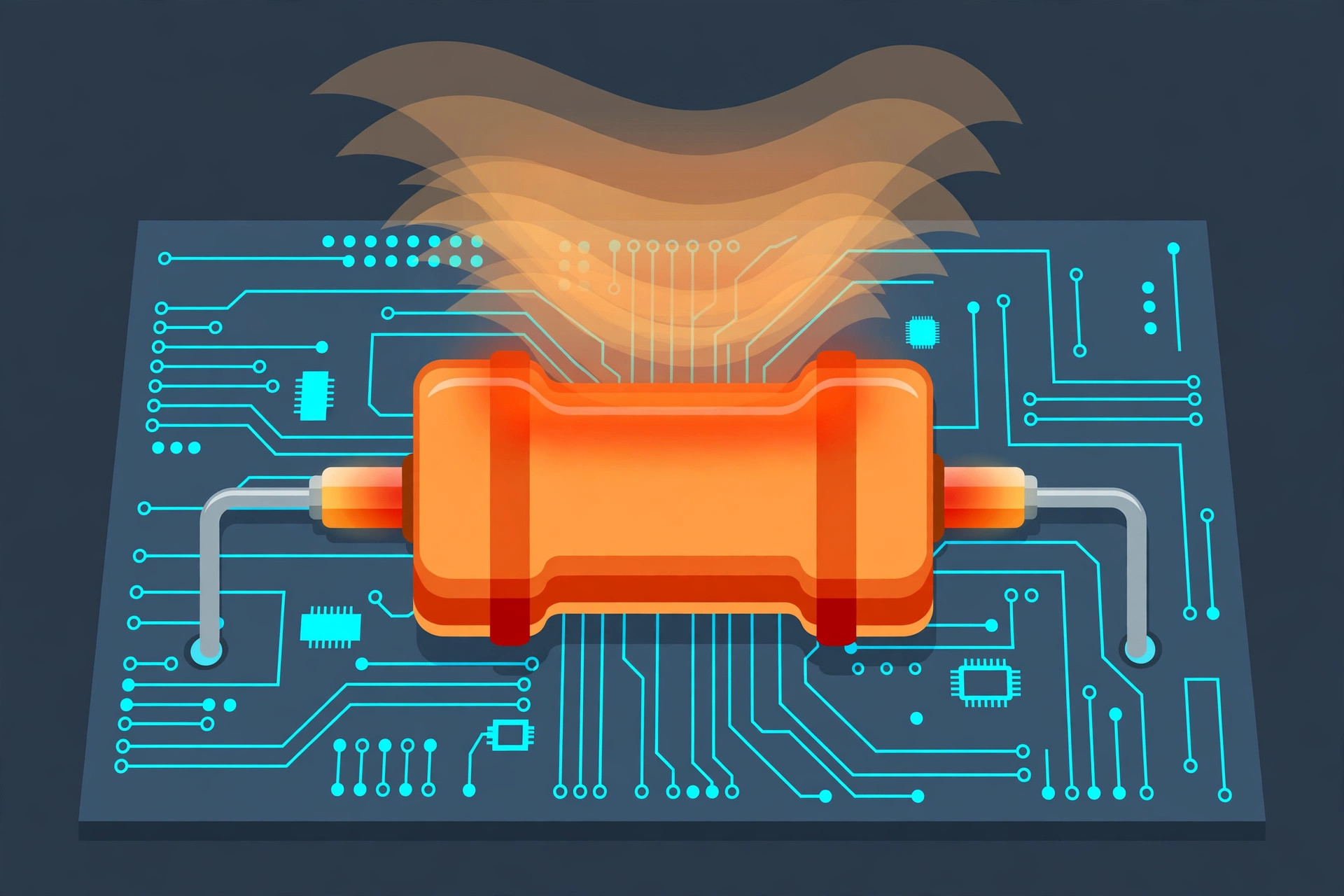
Why Resistors Get Hot: Power, Ratings and Heat
Power dissipation, wattage ratings and the quiet physics of why components warm up, smell hot and sometimes fail.
Read the guide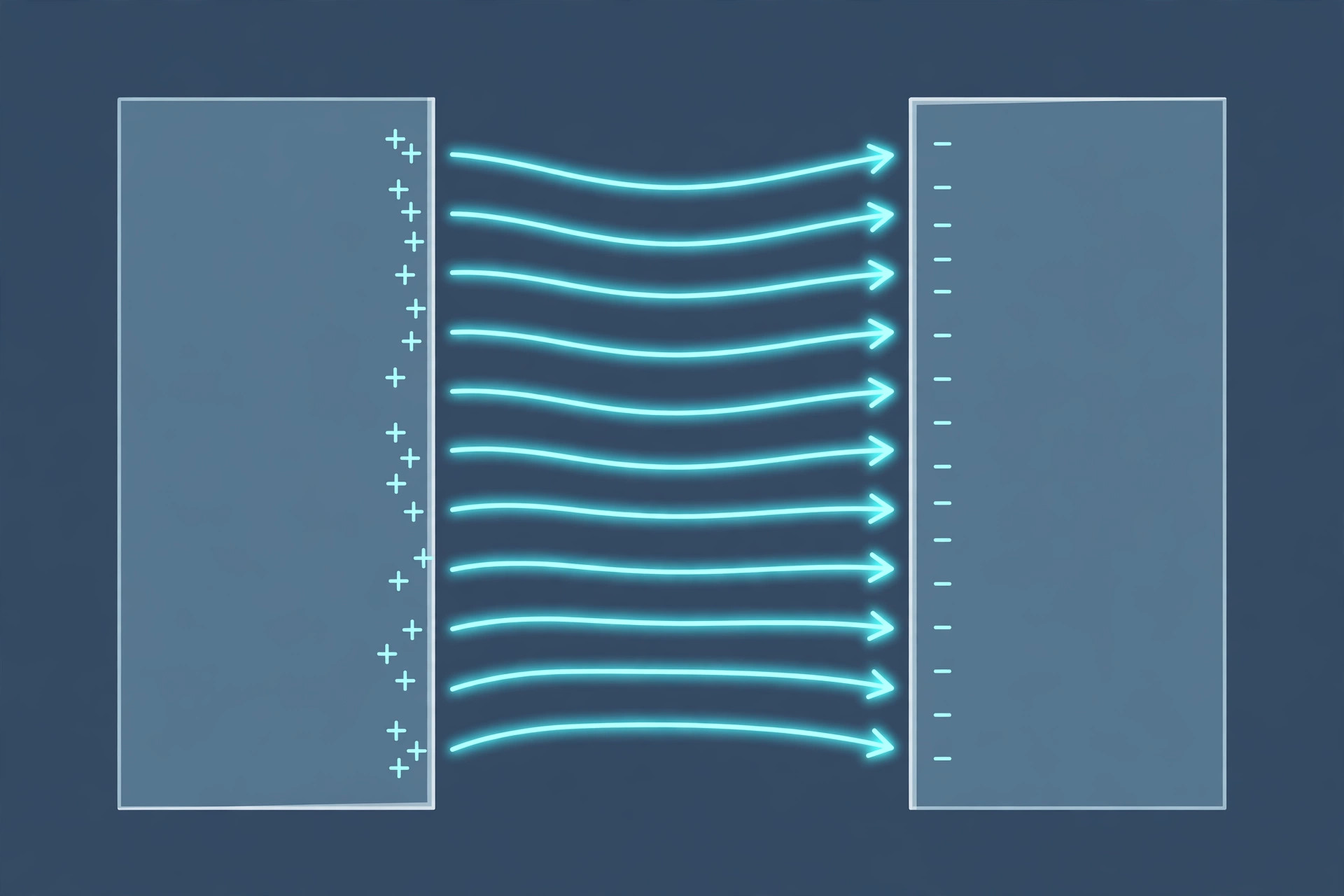
What Is Capacitance? Storing Energy in an Electric Field
What capacitance measures, how a capacitor is built, and why farads arrive in such inconveniently small fractions.
Read the guide
The RC Time Constant in Practice: The 63 Percent Rule
The 63 percent rule, charging curves in real circuits, and where the RC time constant quietly runs your electronics.
Read the guide
USB Power and Charging: From 2.5 Watts to a Negotiation
From 2.5 sleepy watts to negotiated 240: how USB learned to talk about power, and why cables have ratings too.
Read the guide
Fuses and Circuit Protection: The Deliberate Weak Link
The deliberate weak link: how fuses work, why ratings are not suggestions, and what a blown fuse is telling you.
Read the guide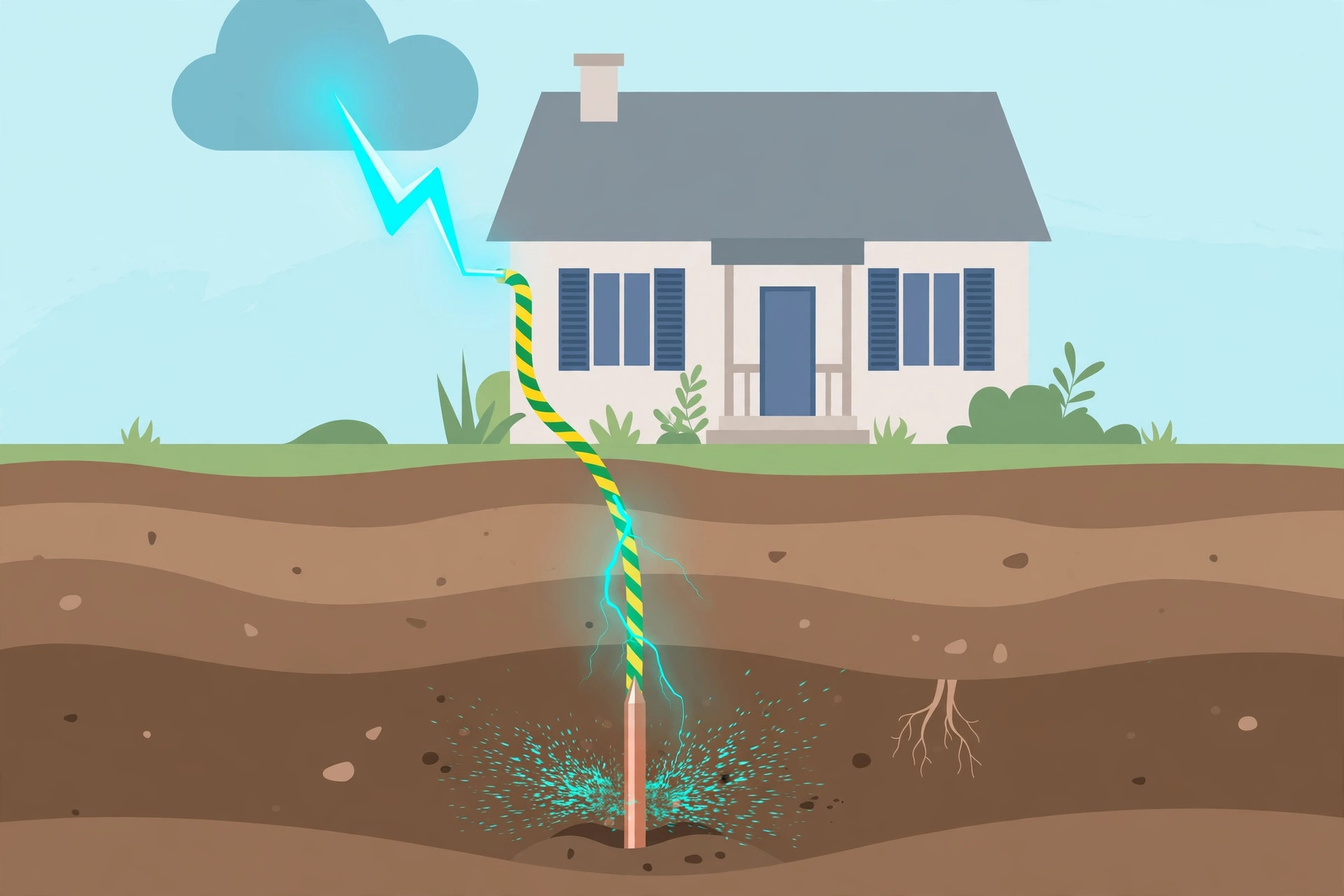
Grounding and Earthing Basics: Three Jobs, One Word
Safety earth, signal ground and the reference point of everything: three jobs sharing one confusing word.
Read the guide
Soldering for Beginners: Heat, Wetting and the Shiny Fillet
Heat, wetting and shiny fillets: the physical craft behind joints that last decades instead of days.
Read the guide
Reading a Datasheet: Where the Real Specification Lives
Absolute maximum ratings, typical versus guaranteed figures, and the graphs where the real behaviour lives.
Read the guide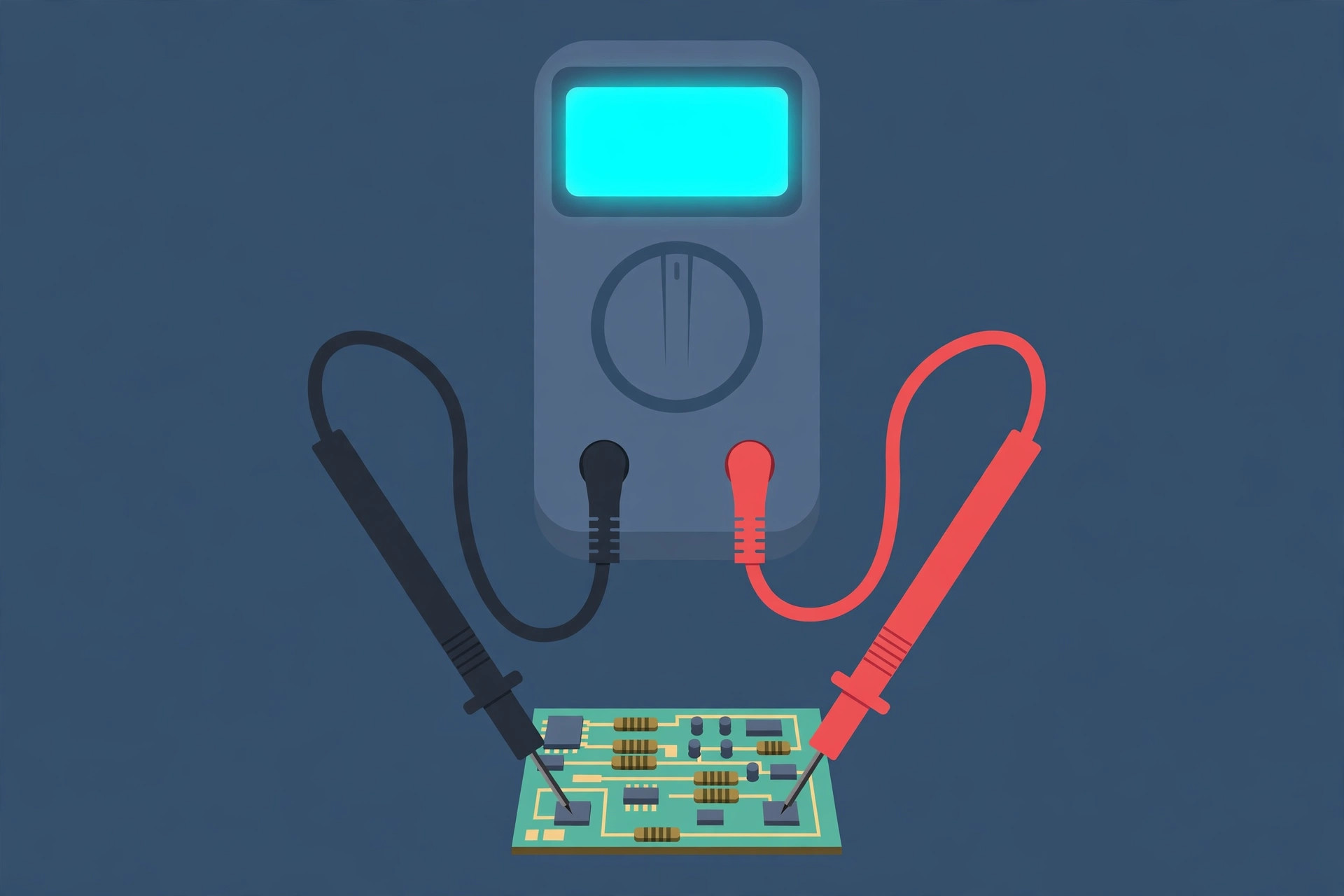
Multimeter Basics: Four Measurements That Solve Most Faults
Voltage, current, resistance and continuity: the four measurements that solve most faults, and the habits that keep them honest.
Read the guide
AC vs DC Explained: The River and the Tide
One-way rivers and oscillating tides: why the grid chose AC, why electronics drinks DC, and where each rules.
Read the guide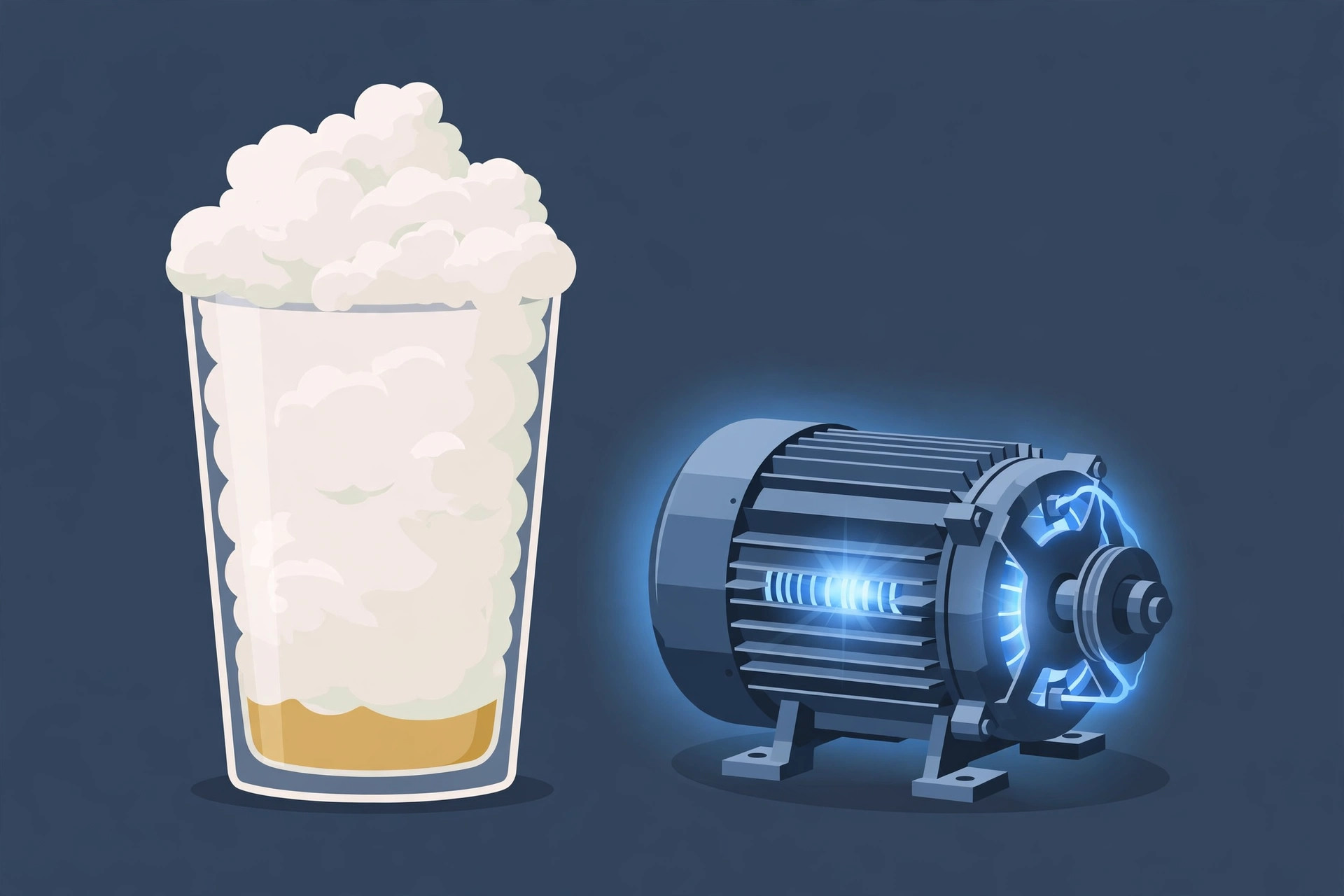
Power Factor Explained: The Froth on the Beer
Real power, apparent power and the froth in between: why utilities care about the angle between volts and amps.
Read the guide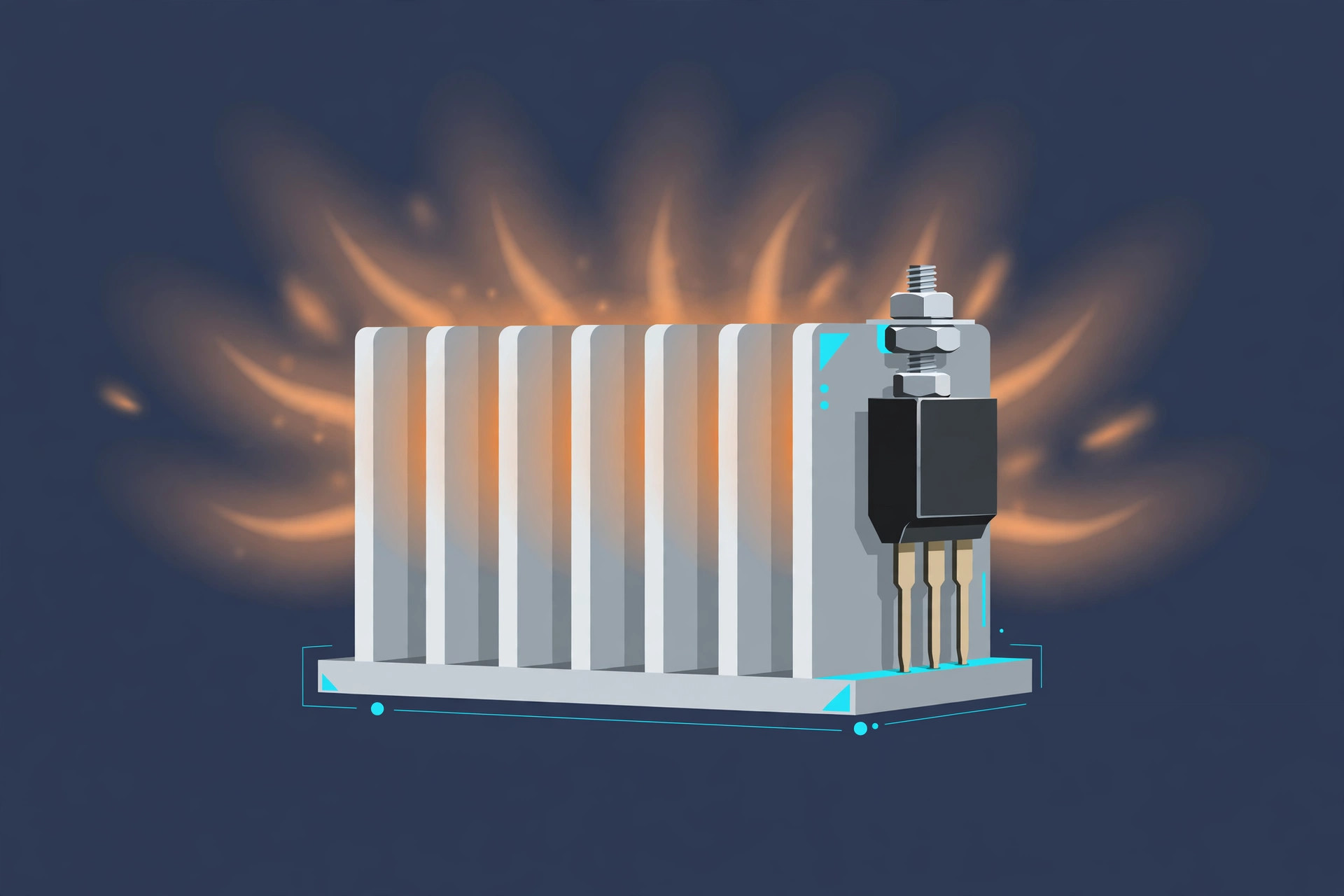
Heat Sinks Explained: Giving Watts Somewhere to Go
Thermal resistance, junction temperatures and the aluminium fins that stand between a chip and its meltdown.
Read the guide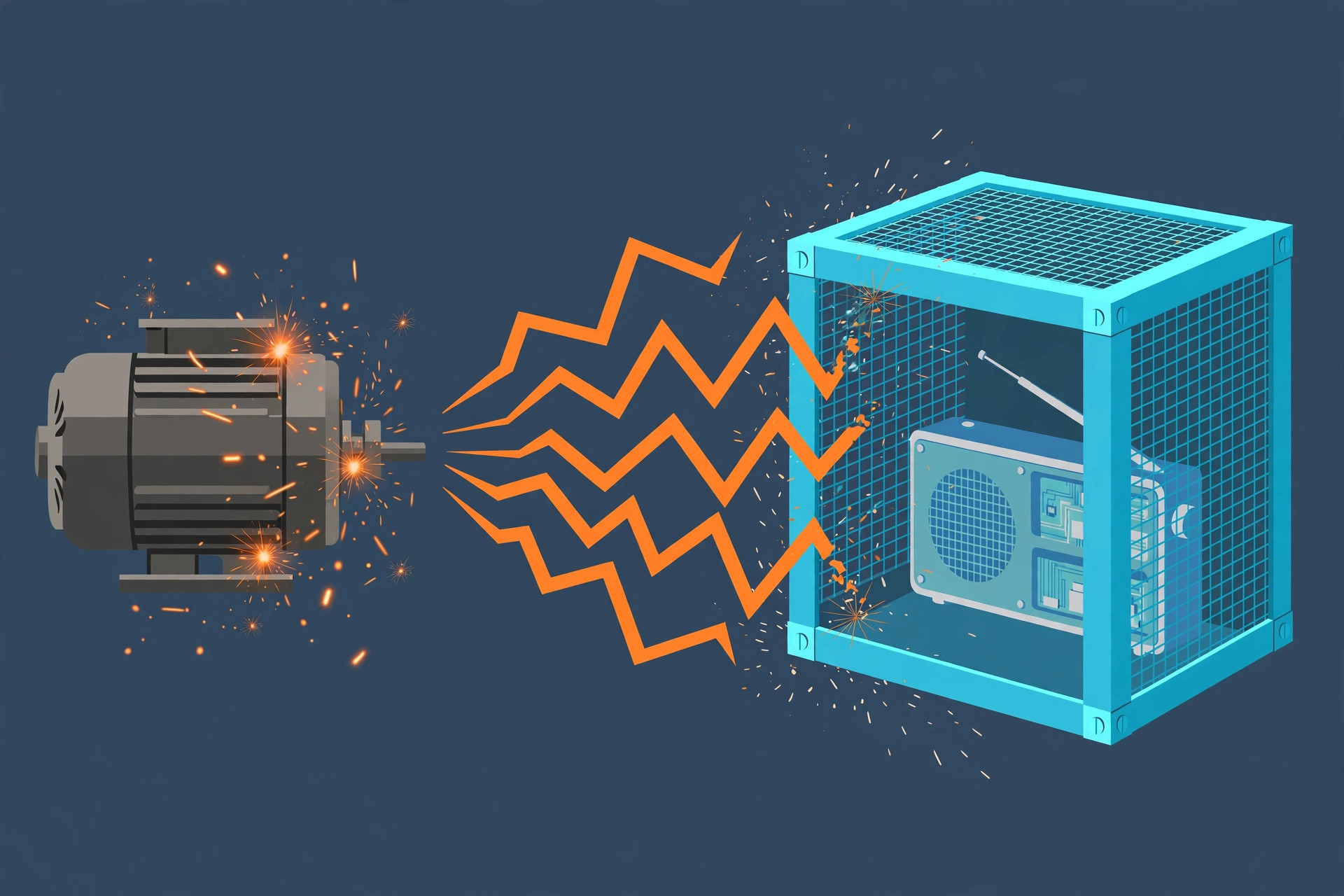
Electromagnetic Interference Basics: Sources, Paths and Victims
Everything radiates and everything receives: sources of interference, coupling paths, and the layered art of quiet.
Read the guide
Voltage Regulators Explained: Steady Volts From Unsteady Ones
Linear versus switching, dropout and ripple: how a wobbly supply becomes a voltage you can build on.
Read the guide
Choosing a Power Supply: Voltage, Current and Honest Margin
Voltage, current, ripple and reputation: a buying method that starts from the load and ends with margin.
Read the guide
Low Pass Filters Explained: Letting the Slow Signals Through
Cutoff frequency, the gentle 20 dB slope, and why this two-component circuit sits inside almost everything you own.
Read the guide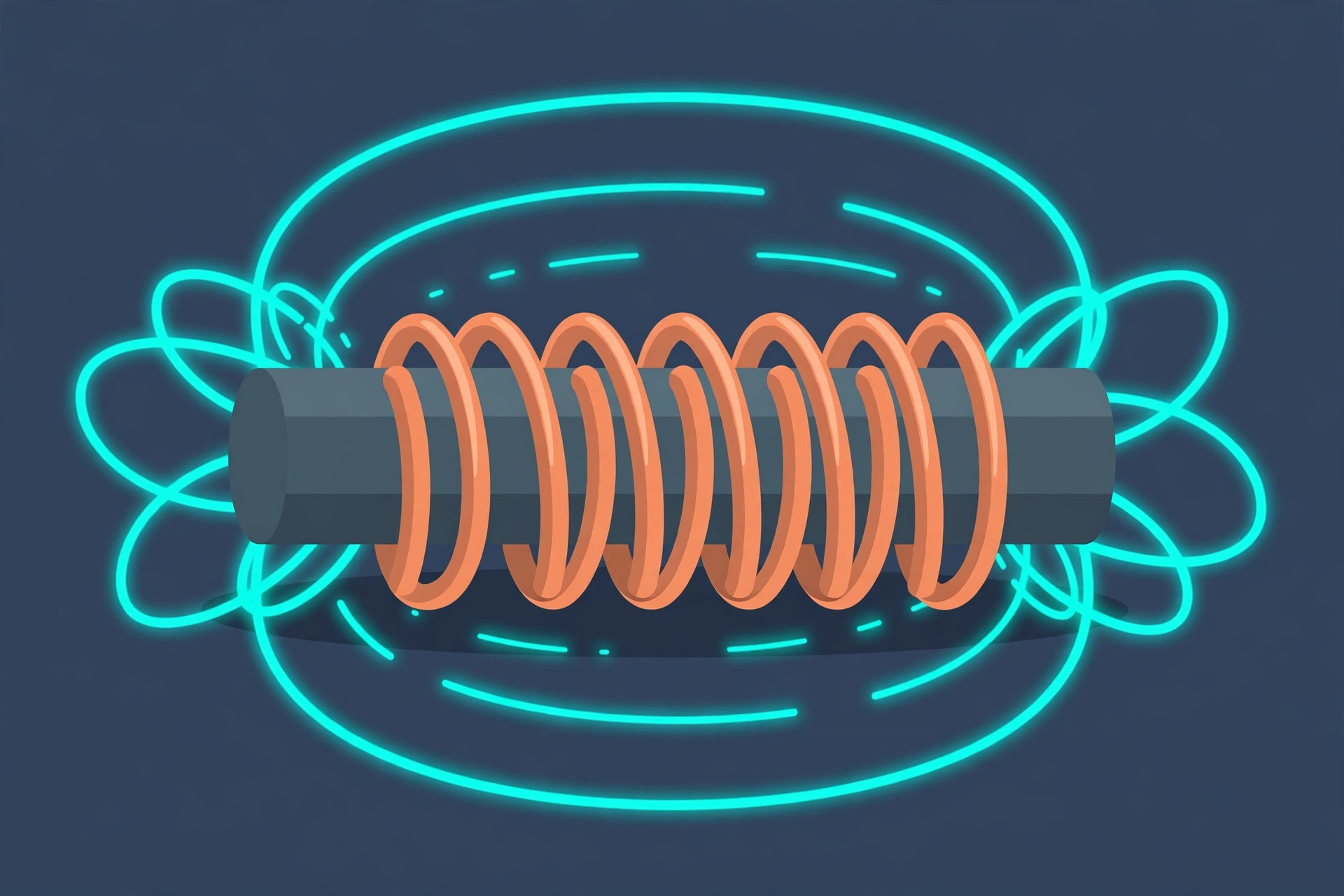
Inductors Explained: The Coil That Resists Change
Coils that store energy in magnetic fields, resist change, and quietly run power supplies, motors and radios.
Read the guide
LC Resonance and Radio Tuning: One Frequency Out of Many
Two components exchanging energy in rhythm, the principle that lets a radio pick one station out of the whole sky.
Read the guide
Reactance Explained Simply: Resistance With a Frequency Knob
Resistance that changes with frequency: why capacitors pass AC, why inductors block it, and where the two curves cross.
Read the guide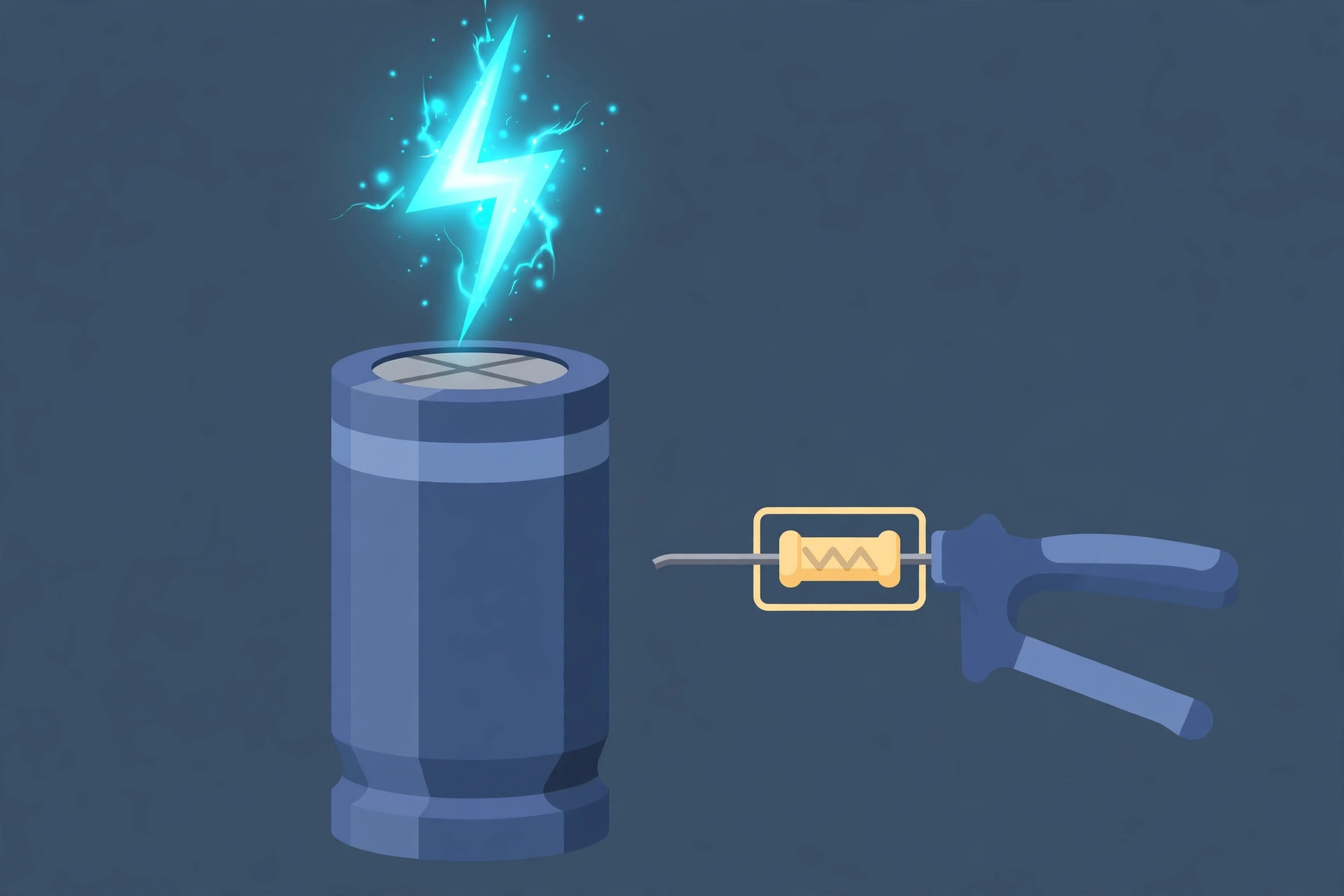
Capacitor Safety: The Charge That Stays After Switch-Off
Why a disconnected capacitor can still bite, how much energy it holds, and the safe way to discharge one.
Read the guide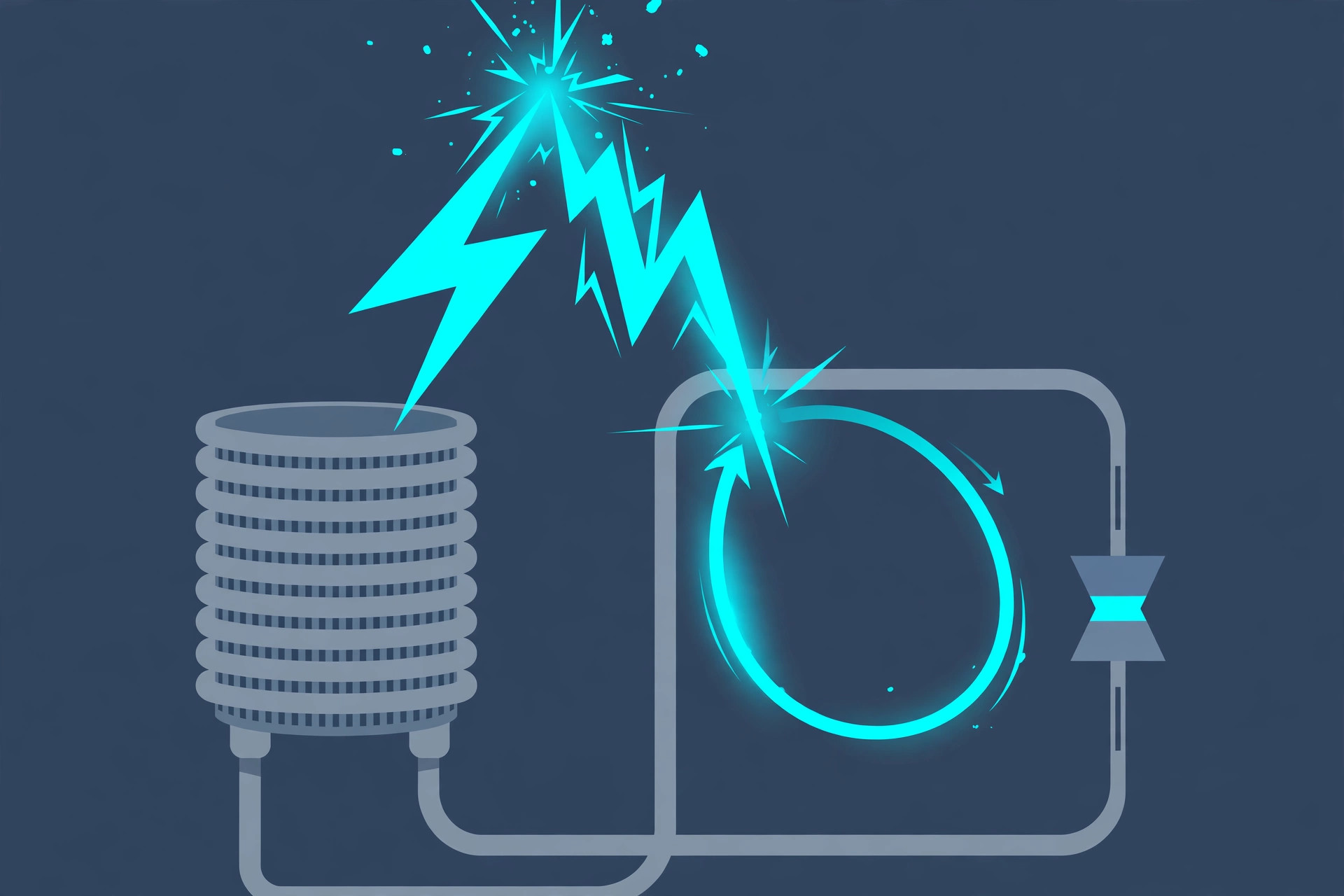
Back EMF: The Spike That Kills Transistors
The voltage spike when a coil is switched off, why it kills transistors, and the one-diode cure.
Read the guide
Decibels Explained: The Log Scale That Runs Electronics
A logarithmic ruler for ratios: why 3 dB is a doubling, why voltage and power use different multipliers, and how engineers add gains.
Read the guide
dBm and Radio Power: From Milliwatts to Whispers
The radio engineer's yardstick: what 0 dBm means, how link budgets add up, and why receivers live at minus 90.
Read the guide
RMS vs Peak Voltage: Four Ways to Quote One Wave
Why mains voltage is quoted as RMS, what your multimeter really measures, and why 230 volts peaks at 325.
Read the guide
Frequency and Wavelength: The Speed of Light Sets the Trade
The speed of light sets the trade: long waves for distance, short waves for data, and antenna sizes in between.
Read the guide
Dipole Antenna Basics: Half a Wavelength of Wire
Two rods, half a wavelength, fed in the middle: the reference antenna against which all others are measured.
Read the guide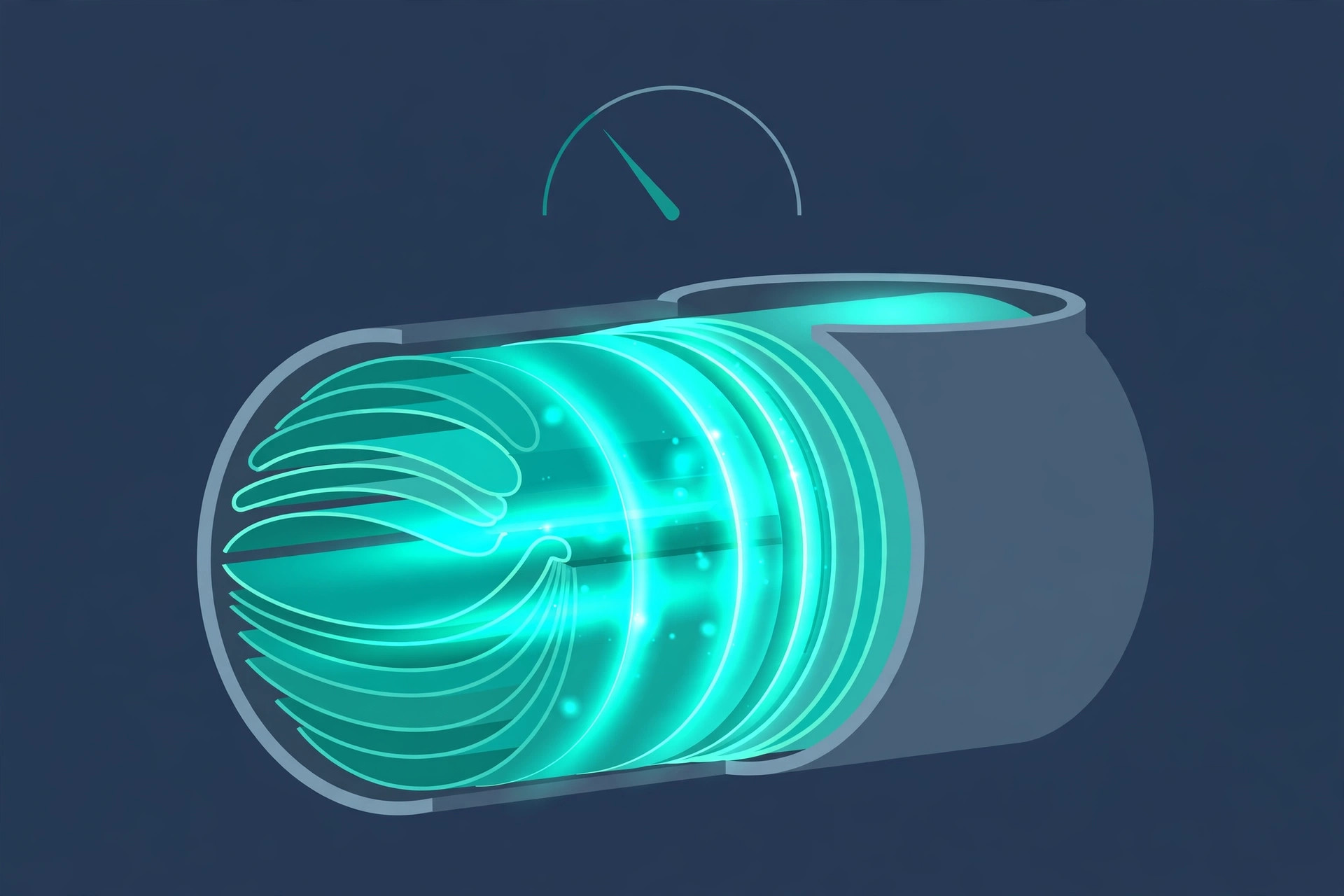
How Batteries Are Rated: Capacity, C Rates and Honest Numbers
Amp-hours, C rates, discharge curves and why the number on the label is only the start of the story.
Read the guide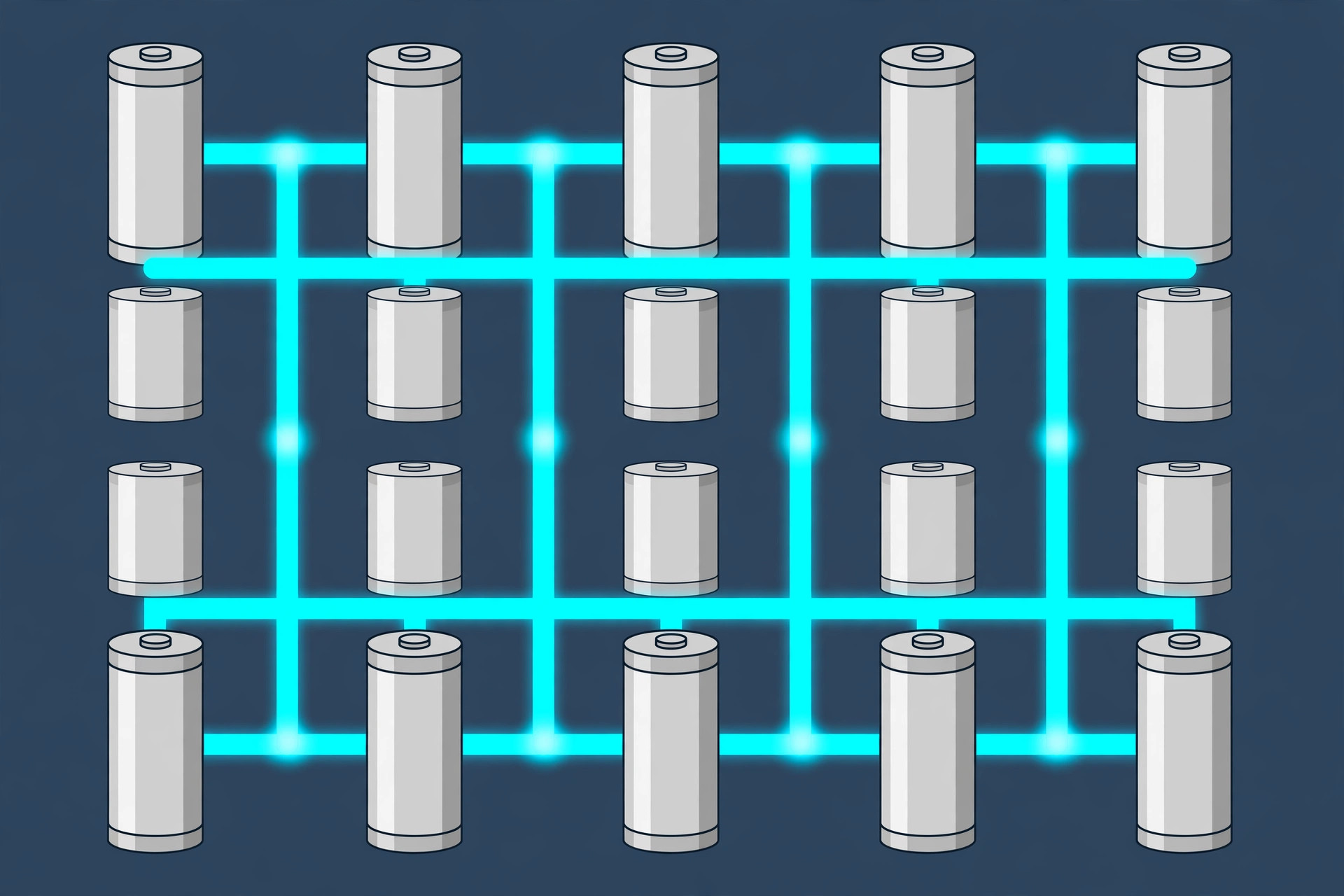
Series and Parallel Battery Packs: Voltage, Capacity and Weak Cells
Series adds voltage, parallel adds capacity: the arithmetic of packs, and why matching cells is not fussiness.
Read the guide
Standby Power: The Vampire Load on Your Electricity Bill
The few watts everything draws while off, what they cost across a year, and where the real waste hides.
Read the guide
Power Supply Efficiency: Where the Missing Watts Go
Why no supply is perfect, where the missing watts go, and how to size a PSU that runs cool and quiet.
Read the guide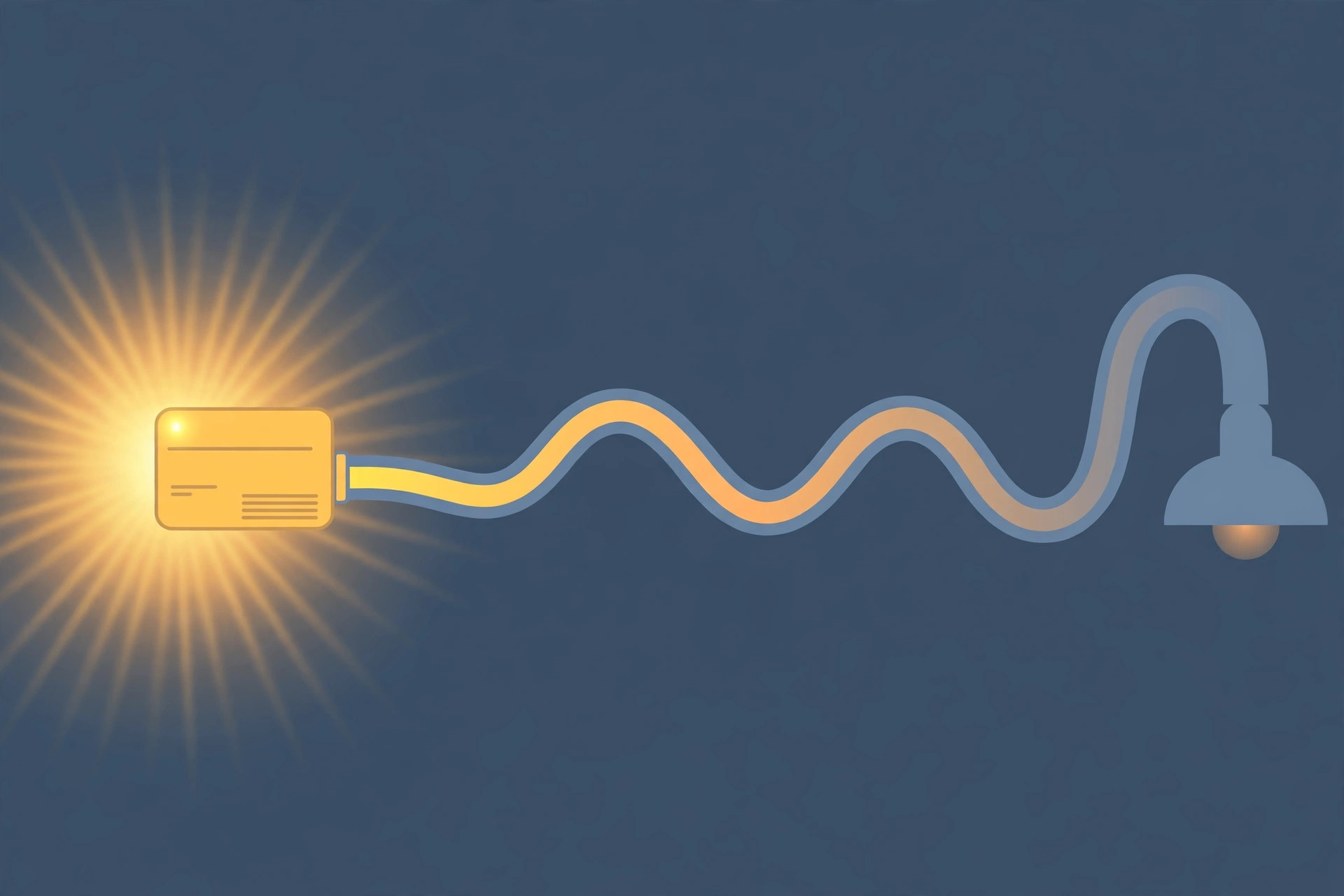
Voltage Drop in Long Cables: The Tax Every Metre Charges
Resistance along the run, why 12 volt systems suffer most, and the two honest cures: thicker cable or higher voltage.
Read the guide
AWG Wire Gauge Explained: The Scale Where Bigger Means Thinner
A backwards numbering system with a geometric heart: why 3 gauges doubles the area and 6 doubles the diameter.
Read the guide
The 555 Timer Explained: The Chip That Never Retired
Two comparators, a latch and a discharge transistor in one eight-pin package: the chip that timed a generation.
Read the guide
Op Amps for Beginners: Huge Gain, Tamed by Two Resistors
A triangle that amplifies, compares and computes: gain from two resistors, and the rails that bound it all.
Read the guide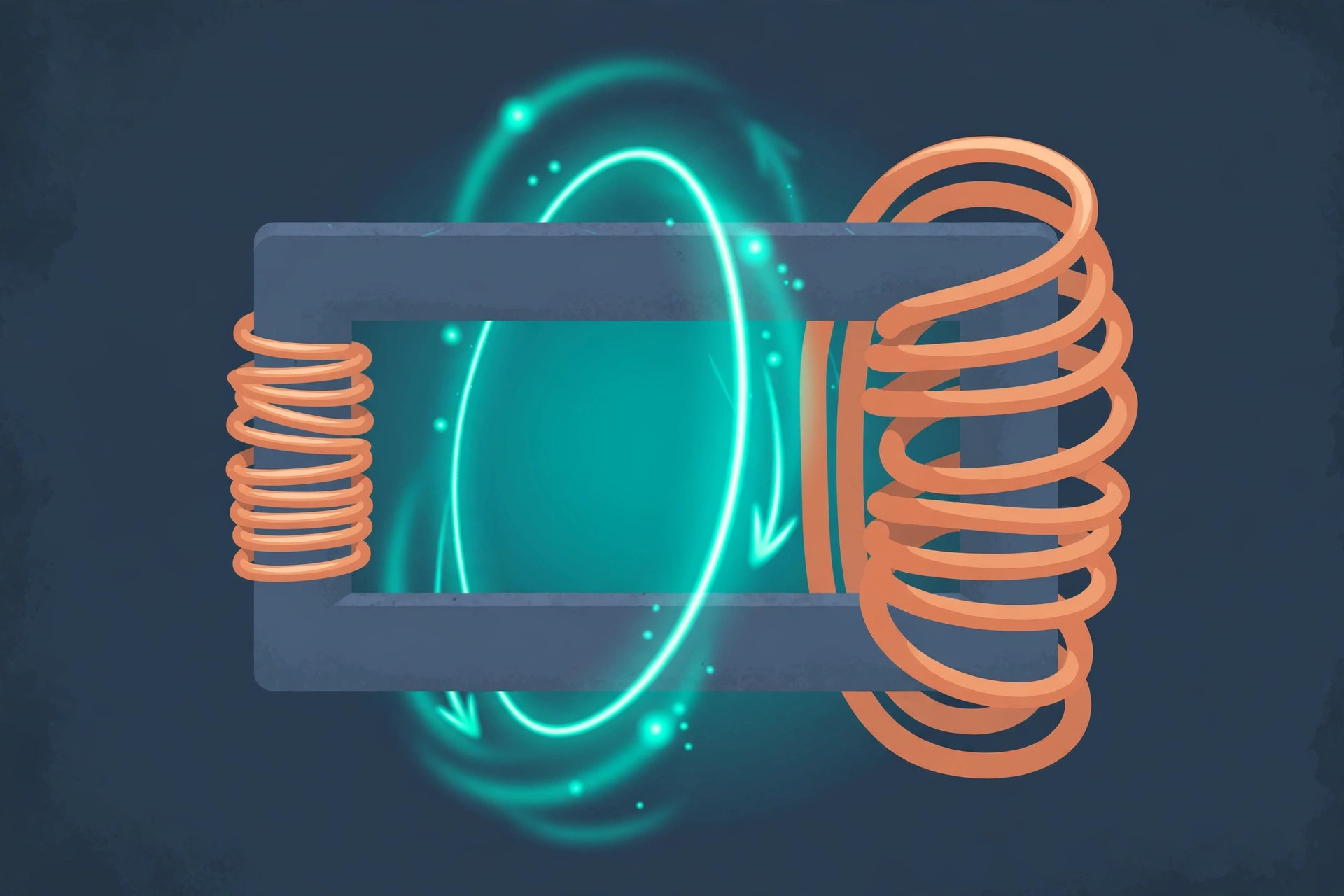
How Transformers Work: Voltage Traded for Current
Two coils sharing an iron heart: trading voltage for current, isolating circuits, and lighting the grid.
Read the guide
PCB Trace Width Basics: How Wide Is Wide Enough?
Traces are wires with limits: current, heating, copper weight, and the IPC formulas that turn them into widths.
Read the guide
Zener Diodes Explained: Breakdown Put to Work
A diode that breaks down on purpose, holding a voltage steady: shunt regulators, references and protection.
Read the guide
Kirchhoff's Laws Explained: The Bookkeeping of Circuits
Currents balance at a node, voltages balance around a loop: the two bookkeeping rules that solve any circuit.
Read the guide
Tolerance and the E12 Series: Why 4.7 Is a Normal Number
Why resistors come in strange numbers like 4.7 and 6.8, and what the tolerance band really promises.
Read the guide
Pull-Up and Pull-Down Resistors: Defining the In-Between
Stopping digital inputs from floating into nonsense: one humble resistor that defines the state of an open switch.
Read the guide
Capacitors in Power Supplies: Reservoirs, Decoupling and Ageing
Smoothing rectified mains, holding up rails and failing first: the hardest-working components in any supply.
Read the guide
What Is Impedance? Resistance, Reactance and the Right Angle
Resistance plus reactance, added as vectors: the total opposition in an AC circuit and why phase is everything.
Read the guide
Filters in Audio: Crossovers, Tone and the Sound of Roll-Off
Crossovers that split music between woofer and tweeter, tone shaping, and filters you can hear.
Read the guide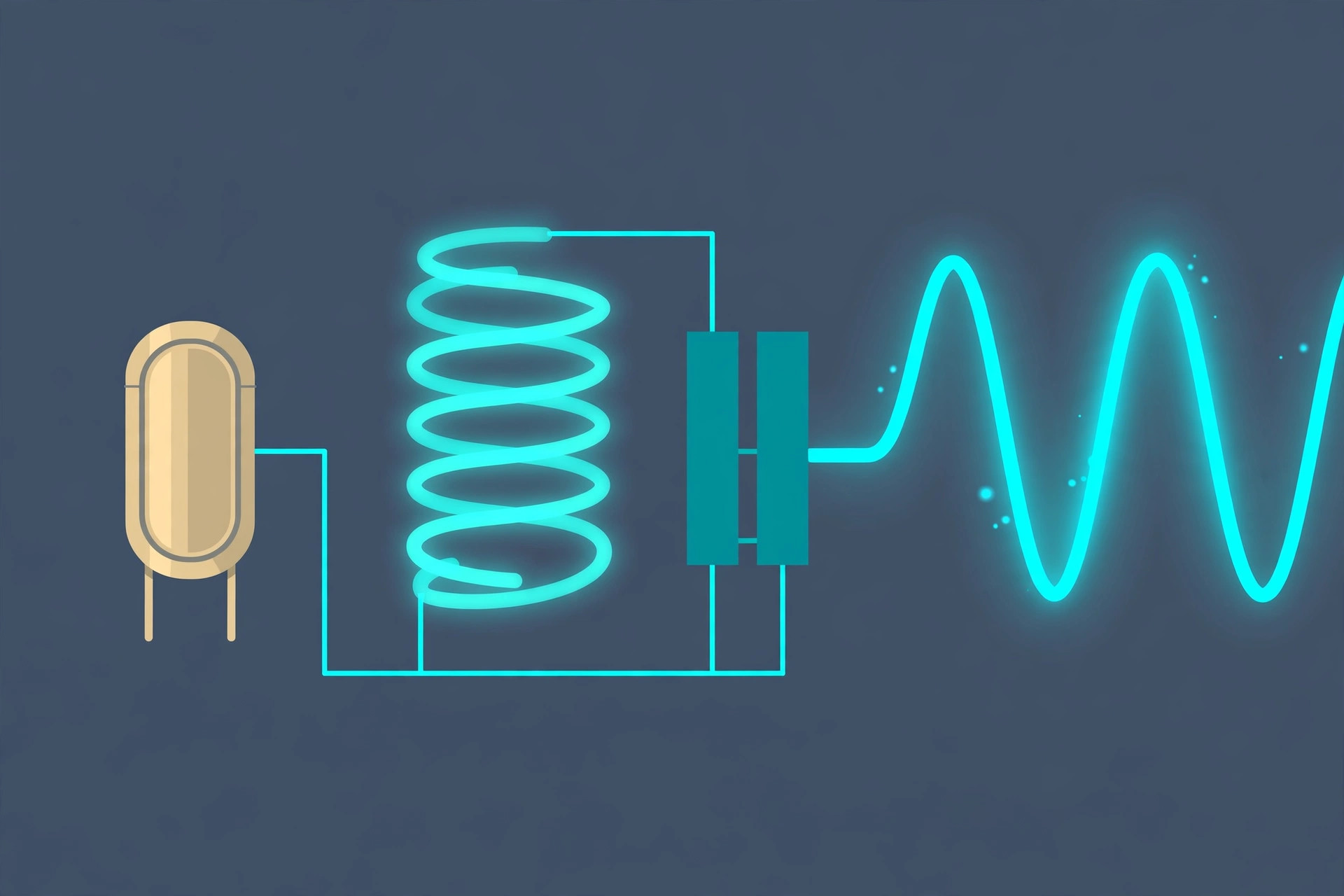
Crystal and LC Oscillators: Circuits That Keep Time
Resonance plus feedback makes a clock: LC oscillators, quartz crystals, and why stability is a ladder of effort.
Read the guide
Mains Voltage Around the World: 110, 230 and the 50/60 Split
110 or 230 volts, 50 or 60 hertz, a dozen plug shapes: how history wired the world two different ways.
Read the guide
SWR and Antenna Matching: The Wave That Comes Back
Standing waves from mismatched loads: what the ratio measures, why 1.5 is fine and 3 is a problem.
Read the guide
Lithium Battery Safety: Energy Density Cuts Both Ways
Thermal runaway, punctures, overcharge and old age: the failure modes of lithium cells and the habits that prevent them.
Read the guide